
Musculoskeletal conditions affect millions of people worldwide, impacting mobility, productivity, and overall quality of life. At our clinic, we specialize in comprehensive orthopedic and spine care, providing expert diagnosis, treatment, and rehabilitation services for conditions ranging from acute injuries to chronic degenerative disorders. Our multidisciplinary approach combines cutting-edge technology, evidence-based treatments, and personalized care to help patients return to active, pain-free lives.
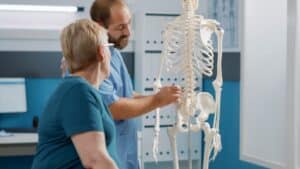
Understanding Orthopedic and Spine Conditions
The musculoskeletal system is a complex network of bones, joints, muscles, tendons, ligaments, and cartilage that work together to provide structure, support, and movement. When any component of this system is injured or diseased, it can significantly impact daily activities and quality of life.
Common orthopedic conditions we treat include arthritis, fractures, sports injuries, tendon and ligament injuries, and joint disorders affecting the knee, hip, shoulder, and other joints. Spine-related conditions encompass herniated discs, spinal stenosis, degenerative disc disease, scoliosis, and various forms of back and neck pain.
Our experienced orthopedic specialists understand that each patient’s condition is unique, requiring individualized assessment and treatment approaches. We take time to thoroughly evaluate not only the specific injury or condition but also lifestyle factors, occupational demands, and personal goals that influence treatment decisions.
Comprehensive Diagnostic Capabilities
Accurate diagnosis is the foundation of effective orthopedic and spine care. Our clinic utilizes advanced diagnostic imaging and assessment techniques to provide precise identification of musculoskeletal conditions. Digital X-rays offer immediate visualization of bone structures, fractures, and joint abnormalities with minimal radiation exposure.
Magnetic resonance imaging (MRI) provides detailed images of soft tissues, including muscles, tendons, ligaments, and spinal discs, enabling detection of injuries and conditions not visible on X-rays. CT scans offer three-dimensional bone imaging for complex fractures and spinal conditions requiring detailed anatomical visualization.
Beyond imaging studies, our comprehensive evaluation includes detailed medical history, physical examination, functional assessment, and specialized orthopedic tests. This thorough approach ensures accurate diagnosis and appropriate treatment planning tailored to each patient’s specific condition and needs.
Non-Surgical Treatment Approaches
Many orthopedic and spine conditions can be effectively managed through conservative, non-surgical treatments. Our clinic emphasizes these approaches whenever appropriate, as they often provide significant symptom relief while avoiding surgical risks and recovery time.
Physical therapy forms a cornerstone of conservative orthopedic care, focusing on strengthening exercises, flexibility training, postural correction, and movement re-education. Our licensed physical therapists work closely with orthopedic physicians to develop customized rehabilitation programs that address specific functional deficits and movement patterns contributing to pain and dysfunction.
Injection therapies offer targeted pain relief and healing promotion for various conditions. Corticosteroid injections reduce inflammation in joints, tendons, and spinal structures, providing significant pain relief and improved function. Hyaluronic acid injections for knee arthritis can restore joint lubrication and reduce cartilage breakdown.
Platelet-rich plasma (PRP) and stem cell therapies represent cutting-edge regenerative medicine approaches that harness the body’s natural healing mechanisms to promote tissue repair and regeneration. These treatments show promising results for tendon injuries, early arthritis, and certain spine conditions.
Advanced Spine Care Services
Spine conditions require specialized expertise due to the complex anatomy and critical functions of spinal structures. Our spine care services encompass both conservative management and advanced surgical interventions for conditions affecting the cervical, thoracic, and lumbar spine.
Conservative spine care includes specialized physical therapy, spinal manipulation, epidural steroid injections, facet joint injections, and radiofrequency ablation for chronic pain management. These treatments often provide significant symptom relief and functional improvement without surgical intervention.
For conditions requiring surgical treatment, we offer minimally invasive spine surgery techniques that reduce tissue damage, decrease recovery time, and improve surgical outcomes. Procedures include microdiscectomy for herniated discs, laminectomy for spinal stenosis, and fusion procedures for spinal instability.
Our spine specialists utilize advanced navigation systems and intraoperative imaging to ensure precise surgical placement and optimal patient safety. These technologies enable complex spine procedures to be performed through smaller incisions with reduced complications and faster recovery times.
Joint Replacement and Reconstruction
When joint damage is severe and conservative treatments no longer provide adequate relief, joint replacement surgery can restore function and eliminate pain. Our orthopedic surgeons specialize in total joint replacement procedures for the hip, knee, shoulder, and other joints affected by advanced arthritis or traumatic injury.
Modern joint replacement techniques utilize advanced implant materials and designs that provide improved durability, function, and longevity. Computer-assisted surgery and robotic technologies enhance surgical precision, ensuring optimal implant positioning and alignment for superior outcomes.
Partial joint replacement options preserve healthy tissue while replacing only damaged joint surfaces, offering faster recovery and more natural joint function for appropriate candidates. Our surgeons carefully evaluate each patient to determine the most suitable surgical approach based on age, activity level, and extent of joint damage.
Sports Medicine and Injury Prevention
Athletic activities place unique demands on the musculoskeletal system, requiring specialized knowledge and treatment approaches. Our sports medicine services address injuries common in recreational and competitive athletes, from acute traumatic injuries to overuse conditions.
ACL reconstruction, rotator cuff repair, and meniscus surgery represent common procedures performed using arthroscopic techniques that minimize tissue damage and accelerate recovery. Our surgeons utilize the latest surgical techniques and rehabilitation protocols to help athletes return to their sport safely and effectively.
Injury prevention programs focus on biomechanical assessment, strength and flexibility training, and sport-specific conditioning to reduce injury risk. We provide pre-participation physical examinations and movement screening to identify potential injury risk factors and develop targeted prevention strategies.
Pain Management and Rehabilitation
Effective pain management is essential for successful orthopedic and spine care outcomes. Our multidisciplinary approach combines medication management, interventional procedures, physical therapy, and alternative therapies to provide comprehensive pain relief.
Interventional pain management techniques include nerve blocks, trigger point injections, and spinal cord stimulation for chronic pain conditions. These procedures target specific pain generators while minimizing systemic medication requirements and associated side effects.
Our rehabilitation services extend beyond traditional physical therapy to include occupational therapy, aquatic therapy, and specialized programs for workplace injury recovery. These comprehensive services address functional limitations and help patients return to work, sports, and daily activities with confidence.
Cutting-Edge Technology and Techniques
Our commitment to providing the most advanced care available drives continuous investment in new technologies and treatment techniques. Computer-assisted surgery improves surgical precision and outcomes for joint replacement and spine procedures. Arthroscopic techniques enable minimally invasive treatment of joint conditions with reduced recovery time and complications.
Regenerative medicine therapies, including PRP and stem cell treatments, offer promising alternatives for patients seeking non-surgical treatment options. These innovative approaches harness the body’s natural healing mechanisms to promote tissue repair and reduce inflammation.
Patient Education and Shared Decision Making
We believe that informed patients make better decisions about their care and achieve superior outcomes. Our providers take time to thoroughly explain diagnoses, treatment options, risks, benefits, and expected outcomes, ensuring patients understand their condition and available treatments.
Shared decision making involves patients in treatment planning, considering personal preferences, lifestyle factors, and individual goals. This collaborative approach ensures that treatment recommendations align with patient values and expectations, leading to higher satisfaction and better adherence to treatment plans.
Coordinated Care and Follow-Up
Successful orthopedic and spine care requires coordination among various healthcare providers and services. Our clinic maintains strong relationships with physical therapists, pain management specialists, radiologists, and other healthcare professionals to ensure seamless care coordination.
Regular follow-up appointments monitor treatment progress, assess functional improvement, and make necessary adjustments to treatment plans. This ongoing monitoring ensures optimal outcomes and identifies potential complications early when they can be most effectively addressed.
Conclusion
Comprehensive orthopedic and spine care requires expertise, advanced technology, and a patient-centered approach to achieve optimal outcomes. Our clinic combines these elements to provide exceptional care for patients with musculoskeletal conditions, from initial diagnosis through complete recovery and return to full function.
Whether you’re dealing with acute injury, chronic pain, or degenerative conditions, our team of specialists is committed to providing personalized care that addresses your unique needs and goals. We understand the impact that orthopedic and spine conditions can have on your life and are dedicated to helping you regain mobility, reduce pain, and return to the activities you enjoy.
Our orthopedic and spine care services are complemented by comprehensive pain management programs that integrate with our clinic’s primary care and rehabilitation medicine specialties for holistic treatment approaches. Visit https://sccwaxahachie.com/specialties-and-services/cervical-thoracic-and-lumbar-spine/ to know more.
Frequently Asked Questions (FAQs)
Q1: When should I see an orthopedic specialist for back or joint pain?
A: You should consider seeing an orthopedic specialist if you experience persistent pain lasting more than a few days, severe pain that interferes with daily activities, numbness or tingling in extremities, or if conservative treatments like rest and over-the-counter medications haven’t provided relief. Additionally, any injury involving suspected fractures or significant joint swelling should be evaluated promptly.
Q2: What is the difference between minimally invasive and traditional spine surgery?
A: Minimally invasive spine surgery uses smaller incisions, specialized instruments, and advanced imaging guidance to perform procedures with less tissue damage compared to traditional open surgery. This typically results in reduced blood loss, shorter hospital stays, faster recovery times, and smaller scars. However, not all conditions are suitable for minimally invasive approaches, and your surgeon will determine the best technique based on your specific condition.
Q3: How long is the recovery time for joint replacement surgery?
A: Recovery times vary depending on the joint replaced and individual factors, but generally, patients begin walking within 24-48 hours after surgery. Most people return to light activities within 6-8 weeks and can expect significant improvement in pain and function within 3-6 months. Full recovery and maximum benefit from joint replacement typically occurs within 6-12 months, with proper rehabilitation and adherence to post-operative instructions.
Q4: Are there non-surgical alternatives to spine surgery for herniated discs?
A: Yes, many herniated disc cases can be successfully treated without surgery. Conservative options include physical therapy, epidural steroid injections, oral medications, activity modification, and alternative therapies like chiropractic care. Studies show that 80-90% of herniated disc patients improve with non-surgical treatment within 6-12 weeks. Surgery is typically considered only when conservative treatments fail or if there are serious neurological symptoms.
Q5: What should I expect during my first orthopedic consultation?
A: During your initial consultation, the orthopedic specialist will review your medical history, discuss your symptoms and how they affect daily activities, and perform a physical examination focusing on the affected area. You may need X-rays or other imaging studies, either during the visit or scheduled separately. The doctor will explain your diagnosis, discuss treatment options ranging from conservative to surgical approaches, and answer your questions about the condition and recommended treatments.