
Dealing with severe, chronic back pain can completely change the way you experience life. Simple daily activities like walking down the historic Waxahachie courthouse square, loading groceries into your car, or playing with your kids in the backyard can become incredibly challenging. When non-invasive treatments are no longer enough, many individuals find themselves researching spinal fusion as a permanent option for structural stability.
At SCC Waxahachie, our primary clinical goal is always to provide non-surgical solutions that help you avoid major operations. However, if structural damage makes advanced procedures necessary, understanding your surgical journey and your subsequent spinal fusion recovery is essential for reclaiming your vibrant quality of life.
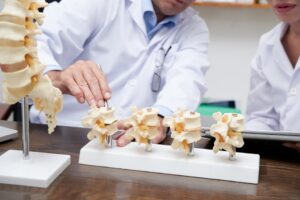
What is Spinal Fusion and When is it Necessary?
To put it simply, this structural procedure is designed to permanently link two or more vertebrae in your spine together. By stopping the friction and movement between these worn-out bones, the procedure eliminates the agonizing, grinding pain caused by unstable joints.
The Mechanics of Fusion Procedures Spinal Specialists Perform
During typical fusion procedures spinal surgeons utilize specialized bone grafts along with supportive hardware like metal rods and screws. This setup holds your vertebrae perfectly still, functioning as an internal splint while your body naturally grows new bone tissue across the gap. Surgeons typically recommend this approach for progressive conditions like high-grade spondylolisthesis (vertebral slippage), severe spinal stenosis, or advanced degenerative disc disease that causes nerve compression.
Structural stabilization stops abnormal joint movement, but it modifies your spine’s natural mechanics. Post-surgical care must focus on keeping the remaining joints mobile.
What to Expect During Spinal Fusion Recovery
Waking up from a major procedure is just the first step on a long road to structural healing. True bone fusion takes several months, and managing your daily mechanics during this fragile window determines your long-term success.
The Immediate Post-Op Phase
The initial stages of spinal fusion surgery recovery focus entirely on protecting your surgical site and managing local inflammation. You will learn how to move your body as a single unit, avoiding twisting or bending your waist to prevent straining the healing bone. Simple habits, like rolling to your side before sitting up, keep your spinal graft secure.
Rebuilding Strength Safely
As you transition out of the acute healing phase, targeted movement becomes essential to prevent joint stiffness. Gentle walking on flat, smooth surfaces remains the safest, most effective low-impact cardio option to keep your blood flowing and speed up tissue repair.
Comparing Treatment Paths: Conservative Care vs. Fusion Spinal Surgery
Every patient’s spine tells a completely unique story. The table below outlines how conservative clinical management compares to undergoing a major fusion spinal surgery:
| Care Metric | Non-Surgical Clinical Care | Fusion Spinal Surgery |
| Primary Approach | Structural realignment and functional muscle balancing | Permanent mechanical stabilization of unstable bones |
| Invasiveness | Non-invasive, gentle, and drug-free | Inpatient operative procedure with structural hardware |
| Recovery Window | Zero downtime; continuous functional improvement | 3 to 12 months for complete bone solidifying |
| Typical Use Case | Herniated discs, postural strain, sciatica, joint stiffness | Severe structural instability, trauma, progressive deformities |
Maximize Comfort: Non-Invasive Solutions Before and After Surgery
Whether you want to avoid an operating room entirely or need to rebuild your strength following spinal fusion surgery, conservative therapies offer vital support for your body.
The Role of Chiropractic Care
If you do not have a surgical condition, precise spinal adjustment protocols can relieve stress on pinched nerves and restore normal movement to your joints. For post-surgical patients, a local wellness clinic can focus on keeping the joints above and below the fused segment healthy, protecting them from overloading.
Physical Therapy in Waxahachie
Muscles can weaken and tighten up significantly after prolonged bed rest or structural changes. Working with an experienced team for physical therapy Waxahachie helps you rebuild your core stability safely, offering reliable back pain relief by teaching your body to move with optimal mechanics.
Practical Home Safety Tips During Spinal Recovery
Rebuilding your life after a major back injury requires adjusting your daily habits. Here are a few practical strategies to protect your spine at home:
- Use Long-Handled Helpful Tools: Invest in a reacher/grabber tool and a long shoehorn to avoid bending down or overextending your lower back while dressing or picking up objects.
- Optimize Your Sitting Arrangements: Avoid deep, soft couches that cause your lower back to round. Choose firm chairs with armrests and good lumbar support to keep your spine aligned.
- Prioritize Lean Protein and Hydration: Your body requires a steady supply of clean proteins, Vitamin D, and calcium to repair tissue and grow new bone. Keep drinking plenty of water to support your healing.
Frequently Asked Questions
1. How long does it take for bones to fully fuse together after surgery?
The initial soft tissue healing occurs within a few weeks, but the actual bone graft requires three to six months to begin solidifying. Complete structural fusion can take up to a full year, during which keeping up with low-impact movement is essential.
2. Can I still receive chiropractic care if I have hardware in my spine?
Yes, but the clinical approach changes significantly. A chiropractor will never adjust the specific segment of your spine that has been fused. Instead, they focus on treating surrounding joint restrictions to prevent compensatory strain and wear.
3. When am I safely allowed to return to driving after a fusion procedure?
Most surgeons allow patients to drive once they are completely off all prescription pain medications and have regained the muscle reflexes needed for emergency braking. This milestone typically occurs between two to six weeks after the procedure.
4. Why do the joints near a fused area sometimes develop pain later on?
When a section of the spine is permanently stabilized, the joints directly above and below must move more to compensate. This added mechanical stress can cause faster wear and tear, which can be managed with targeted physical therapy.
5. What are the earliest signs that my back recovery is progressing well?
Positive signs include a steady decrease in sharp, radiating nerve pain, improved core stamina while standing, and a gradual return to smooth, independent daily movements without severe muscle spasms.
Reclaim Your Strength and Vitality
You do not have to navigate severe back issues alone. Whether you are searching for alternative options to avoid a major operation or need expert guidance through your recovery, our dedicated local team is here to support you.
Visit our specialized injury management and rehabilitation hub to learn how our dedicated therapeutic protocols can help accelerate your recovery. Experienced injury management specialists provide comprehensive evaluation and advanced treatment options for injury management and other spinal conditions.
Visit our specialized interventional pain management center for pain management to learn how our dedicated therapeutic protocols can help accelerate your recovery. Contact us at 972-937-8900 and schedule your consultation today to receive personalized thoracic spine injury treatment and start your journey toward pain relief and recovery.