
The world is full of potential allergens—from pollen and pet dander to specific foods. When your immune system mistakenly identifies one of these harmless substances as a threat, an allergic reaction occurs. To pinpoint the exact triggers causing your symptoms, allergists often turn to the Skin Prick Test (SPT), a reliable, fast, and foundational diagnostic tool.
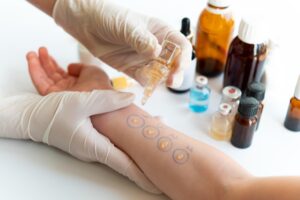
What is a Skin Prick Test (SPT)?
The Skin Prick Test is a simple, safe, and highly effective method for determining whether a patient is allergic to a specific substance (allergen). It works by introducing a tiny amount of common allergens just beneath the surface of the skin, typically on the forearm or back, and observing the body’s localized reaction.
If you are allergic to a substance, your immune system’s IgE antibodies will immediately signal mast cells in the skin to release histamine. This chemical reaction causes a small, localized hive, or “wheal,” to appear, confirming the allergy.
How to Prepare for Your Skin Prick Test
Accurate results depend heavily on proper preparation. It is crucial to follow your allergist’s instructions, especially regarding medication.
1. Discontinue Antihistamines
The most critical step is stopping all oral and topical antihistamines (including combination cold/flu medications that contain them) at least 5 to 7 days before the test. Antihistamines block the release of histamine, which is the chemical signal the test relies on to identify an allergy.
2. Inform Your Doctor About All Medications
Certain other medications, such as tricyclic antidepressants, acid reflux medications (like Cimetidine or Ranitidine), and certain immunosuppressants, may also interfere with test results. Always provide your allergist with a full list of all prescriptions and over-the-counter drugs you are taking.
3. Comfortable Clothing
Wear loose-fitting clothing, as the test is often performed on the forearms or back, requiring easy access to the skin.
The Skin Prick Test Procedure: What to Expect
The actual test is quick and generally takes less than 30 minutes from start to finish.
Step 1: Skin Cleaning and Marking
The testing area (usually the inner forearm for adults or the back for children) is cleaned with alcohol. The allergist or nurse will then use a pen to mark the sites where the allergen extracts will be applied. These marks serve as labels for each specific allergen being tested (e.g., Cat Dander, Ragweed, Peanut).
Step 2: Application of Controls and Allergens
Two control solutions are applied:
- Positive Control (Histamine): This should always produce a reaction (a wheal) to confirm your skin is reactive and the test is valid.
- Negative Control (Saline): This should produce no reaction, confirming that your skin is not reacting purely to the scratching/pricking motion.
Small drops of the standardized allergen extracts are placed on the marked spots.
Step 3: Pricking the Skin
A small, sterile plastic device (lancet) is used to gently prick the skin through the drop of each liquid. This is not a needle injection; it barely breaks the skin’s surface and should not cause bleeding. Most patients describe the sensation as a quick, mild scratch or slight pressure.
Step 4: Reading the Results (15–20 Minutes)
After 15 to 20 minutes, the drops are wiped away. The allergist will measure the size of any resulting reaction (wheal and flare) at each site.
- Wheal: The raised, white, mosquito-bite-like bump (edema).
- Flare: The surrounding red area (erythema).
Interpreting Your Results
The test results are generally immediate and categorized as follows:
| Result | Appearance | Interpretation |
| Negative | No wheal or wheal size is the same as the negative control. | You are likely not allergic to this specific substance. |
| Positive | Wheal is larger than the negative control (typically 3mm or greater). | You have IgE antibodies to this allergen, indicating an allergy. |
It is important to remember that a positive test result only indicates sensitivity. Your allergist will combine these results with your medical history and reported symptoms to make a definitive diagnosis and develop a tailored management plan.
Safety and Suitability
The Skin Prick Test is a very safe procedure when performed under the supervision of a trained healthcare professional. Since only minute quantities of the allergen are introduced, the risk of a severe systemic reaction (anaphylaxis) is extremely low. However, allergists are fully equipped to handle such rare events.
The SPT is commonly used for the diagnosis of:
- Hay fever (allergic rhinitis)
- Allergic asthma
- Food allergies
- Penicillin and other medication allergies
- Bee or wasp venom allergies
The Skin Prick Test remains the most practical, quick, and cost-effective method for diagnosing immediate hypersensitivity reactions. By providing clear evidence of your allergic triggers, it forms the essential foundation for creating an effective allergy management strategy, whether that involves avoidance, medication, or allergy immunotherapy. If you suspect you have allergies, discussing the SPT with an allergist is the crucial first step toward symptom relief and improved quality of life.
Frequently Asked Questions (FAQs)
1. Is the Skin Prick Test painful?
No. The test involves a series of very shallow pricks that barely break the skin’s surface. Patients usually describe the sensation as a light scratch or a tingling itch when a positive reaction occurs, rather than pain.
2. Can children have a Skin Prick Test?
Yes, SPT is safe for patients of all ages, including infants and young children. For younger children, the test is often performed on the back to provide a larger, less accessible testing surface.
3. Are there any side effects after the test?
The most common side effect is localized itching and swelling at the positive test sites, which usually subsides within a few hours. Your allergist may apply a topical corticosteroid cream to relieve the discomfort. Very rarely, localized redness can persist for a day or two.
4. What if I can’t stop taking my antihistamines?
If you have a medical reason that prevents you from stopping antihistamines (e.g., severe chronic hives), your allergist may recommend an alternative test, such as a specific IgE blood test (RAST/ImmunoCAP), which is not affected by medication.
5. How soon after the test will I get my results?
The results of the Skin Prick Test are immediate, typically available within 15–20 minutes of the pricking process. Your allergist will discuss the findings with you immediately after reading the reactions.
Stop guessing and start managing your symptoms effectively. Our experienced team is ready to perform state-of-the-art Skin Prick Testing and provide you with a personalized, evidence-based treatment plan. Visit our website at https://sccwaxahachie.com/specialties-and-services/allergy/ to learn more about our allergy services and book an appointment online. For immediate assistance or to speak with a member of our clinical staff, please call us today at (972) 937-8900. Take the first step toward breathing easier and living a clearer life.