
Spinal fusion surgery is a common and effective form of back surgery designed to stabilize the spine and reduce pain caused by abnormal movement between vertebrae. This spine fusion procedure permanently joins two or more vertebrae, allowing them to heal into a single solid bone. By limiting motion in the affected area, spinal fusion helps relieve pain, improve stability, and restore function for individuals suffering from severe spinal conditions.
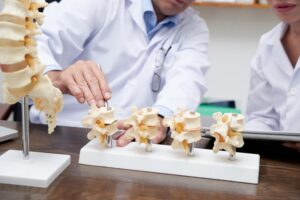
When Is Spinal Fusion Needed?
Spinal fusion is typically recommended when non-surgical spine treatment options such as physical therapy, medications, or injections fail to provide relief. It is often used to treat conditions like degenerative disc disease, spinal stenosis, scoliosis, spondylolisthesis, herniated discs, and spinal fractures. Patients with chronic back pain caused by spinal instability or nerve compression may benefit significantly from spinal fusion surgery when other treatments have been exhausted.
How the Spine Fusion Procedure Works
During a spine fusion procedure, a surgeon places bone grafts between the affected vertebrae. These grafts may come from the patient’s own body, a donor, or a synthetic material. Metal screws, rods, or plates are often used to hold the vertebrae in place while the bones heal together. Over time, the grafted bone grows and fuses the vertebrae into a single, stable unit. This process reduces motion at the painful segment, helping alleviate discomfort and prevent further damage.
Types of Spinal Fusion Techniques
There are several techniques used in spinal fusion, depending on the location and condition of the spine. These include anterior, posterior, and lateral fusion approaches. Some procedures use minimally invasive methods, which may reduce tissue damage and shorten recovery time. Your surgeon will determine the most appropriate approach based on your diagnosis, overall health, and treatment goals.
Benefits and Risks of Spinal Fusion Surgery
The primary benefit of spinal fusion is long-term pain relief and improved spinal stability. Many patients experience reduced nerve pain, better posture, and enhanced mobility after healing. However, like any back surgery, spinal fusion carries risks such as infection, blood clots, nerve damage, or incomplete fusion. Discussing potential benefits and risks with a spine specialist is essential before deciding on surgery.
What to Expect During Spinal Fusion Recovery
Spinal fusion recovery varies from patient to patient but generally takes several months. Hospital stays typically range from a few days to a week, followed by a structured rehabilitation plan. Physical therapy plays a key role in regaining strength and flexibility while protecting the healing spine. Patients are advised to avoid heavy lifting, bending, or twisting during early recovery. Most individuals can gradually return to normal activities within three to six months, though complete fusion may take up to a year.
Life After Spinal Fusion
After recovery, many patients enjoy significant relief from chronic back pain and improved quality of life. While some spinal flexibility may be reduced, the overall benefits of pain reduction and stability often outweigh this limitation. Maintaining a healthy lifestyle, proper posture, and regular exercise can help protect the spine long term.
Frequently Asked Questions (FAQs)
Q1: Is spinal fusion surgery permanent?
Yes, spinal fusion permanently joins the affected vertebrae, eliminating movement between them.
Q2: How long does spinal fusion recovery take?
Initial recovery may take a few weeks, but full spinal fusion recovery can take 6–12 months.
Q3: Can spinal fusion cure chronic back pain?
Spinal fusion can significantly reduce pain caused by spinal instability, but results depend on the underlying condition.
Q4: Will I lose mobility after spinal fusion?
Some flexibility is lost at the fused segment, but most patients retain good overall mobility.
Q5: Is spinal fusion the last option for spine treatment?
It is usually considered after non-surgical spine treatment options have failed.
Expert spinal fusion care is just a click or call away—visit our website https://sccwaxahachie.com/specialties-and-services/spinal-fusion/ and call us at 972-937-8900 to book your appointment today.