
Chronic knee pain is a common condition that affects millions of people worldwide. Whether caused by aging, arthritis, injuries, obesity, or repetitive strain, persistent knee pain can interfere with daily activities and reduce quality of life. Walking, climbing stairs, exercising, and even sitting comfortably may become difficult when knee pain becomes severe. Fortunately, there are several effective treatment options available that can help reduce pain, improve mobility, and restore joint function. Understanding the best treatment for chronic knee pain is essential for achieving long-term relief and maintaining an active lifestyle.
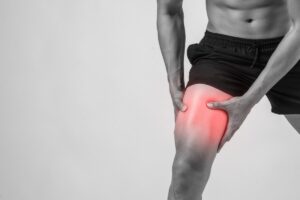
Understanding Chronic Knee Pain
Chronic knee pain is typically defined as pain that lasts longer than three months. It may develop gradually over time or appear after an injury that never fully healed. Common causes include osteoarthritis, rheumatoid arthritis, ligament injuries, cartilage damage, tendonitis, bursitis, and overuse injuries. Some individuals also experience chronic pain due to obesity or poor posture that places excessive pressure on the knee joint.
Symptoms often include swelling, stiffness, tenderness, limited range of motion, redness, and difficulty bearing weight on the affected knee. In some cases, patients may hear popping or grinding sounds during movement. Early diagnosis and proper treatment are important to prevent the condition from worsening.
Physical Therapy for Knee Pain Relief
One of the best treatments for chronic knee pain is physical therapy. A personalized therapy program can strengthen the muscles surrounding the knee, improve flexibility, and reduce pressure on the joint. Physical therapy exercises are designed to improve balance, stability, and overall knee function.
Stretching exercises help maintain joint flexibility, while strengthening exercises target the quadriceps, hamstrings, and calf muscles. Low-impact activities such as swimming, cycling, and walking are often recommended because they minimize stress on the knee while improving mobility.
Physical therapy also teaches patients proper movement techniques to avoid further joint damage. Regular exercise under professional supervision can significantly reduce pain and improve long-term outcomes.
Medications for Chronic Knee Pain
Medications are commonly used to manage knee pain and inflammation. Over-the-counter pain relievers such as acetaminophen and nonsteroidal anti-inflammatory drugs (NSAIDs) may help reduce discomfort and swelling. Doctors may also prescribe stronger medications for severe pain or inflammatory conditions.
Topical creams and gels containing anti-inflammatory ingredients can provide localized pain relief. In some cases, corticosteroid injections are recommended to reduce inflammation inside the knee joint. These injections can offer temporary but significant pain relief for patients with arthritis or severe joint inflammation.
However, medications should be used carefully and under medical supervision to avoid side effects or long-term complications.
Weight Management and Lifestyle Changes
Maintaining a healthy weight is one of the most effective ways to reduce chronic knee pain. Excess body weight places additional stress on the knee joints, accelerating cartilage wear and increasing inflammation. Even modest weight loss can significantly reduce pressure on the knees and improve mobility.
Lifestyle changes such as adopting a balanced diet, staying physically active, and avoiding activities that strain the knees can support long-term joint health. Anti-inflammatory foods rich in omega-3 fatty acids, fruits, vegetables, and whole grains may also help reduce joint inflammation naturally.
Patients should avoid prolonged sitting, excessive stair climbing, and high-impact sports if these activities worsen their symptoms.
Knee Braces and Supportive Devices
Supportive devices such as knee braces, orthotics, and compression sleeves can help stabilize the joint and reduce pain during movement. Braces are particularly helpful for individuals with arthritis, ligament instability, or alignment issues.
Using supportive footwear can also improve posture and reduce pressure on the knees. Some patients benefit from assistive devices such as canes or walkers, especially during flare-ups or recovery from injuries.
These supportive measures can enhance mobility and provide additional comfort during daily activities.
Advanced Treatment Options
For patients who do not respond to conservative treatments, advanced medical procedures may be recommended. These include injections, regenerative therapies, and minimally invasive surgeries.
1. Hyaluronic Acid Injections
Hyaluronic acid injections help lubricate the knee joint and improve mobility. These injections are often used for osteoarthritis patients who experience joint stiffness and pain.
2. Platelet-Rich Plasma (PRP) Therapy
PRP therapy uses the patient’s own blood platelets to promote healing and tissue repair. This regenerative treatment may help reduce inflammation and improve joint function in some individuals.
3. Arthroscopic Surgery
Arthroscopic surgery is a minimally invasive procedure used to repair damaged cartilage, remove loose tissue, or treat ligament injuries. Recovery is generally faster compared to traditional surgery.
4. Knee Replacement Surgery
In severe cases where the joint is extensively damaged, knee replacement surgery may be the best option. During this procedure, damaged portions of the knee are replaced with artificial components to restore function and relieve pain. Many patients experience dramatic improvement in mobility and quality of life after recovery.
Home Remedies for Chronic Knee Pain
Several home remedies may complement medical treatment and help manage symptoms naturally. Applying ice packs can reduce swelling and inflammation, while heat therapy helps relax stiff muscles and joints.
Gentle stretching, proper rest, and elevating the knee can also relieve discomfort. Some people find relief through massage therapy, acupuncture, or yoga. Maintaining consistent self-care routines is important for managing chronic pain effectively.
However, persistent or worsening symptoms should always be evaluated by a healthcare professional.
Preventing Chronic Knee Pain
Preventive measures can help protect knee health and reduce the risk of chronic pain. Regular exercise, maintaining good posture, wearing supportive footwear, and avoiding repetitive stress injuries are important strategies.
Warming up before physical activity and using proper exercise techniques can prevent strain on the knee joints. Individuals involved in sports or physically demanding jobs should use protective gear and avoid overtraining.
Early treatment of knee injuries is also crucial to prevent long-term complications and chronic pain development.
When to See a Doctor
While mild knee pain may improve with rest and home care, chronic or severe pain should not be ignored. Medical evaluation is important if symptoms include persistent swelling, inability to bear weight, joint deformity, fever, or severe stiffness.
A healthcare provider can perform imaging tests, physical examinations, and laboratory evaluations to determine the underlying cause of knee pain and recommend appropriate treatment options.
Early diagnosis and personalized treatment plans can improve recovery and prevent further joint damage.
Conclusion
Finding the best treatment for chronic knee pain depends on the underlying cause, severity of symptoms, and individual health needs. Physical therapy, medications, weight management, supportive devices, and advanced medical treatments can all play important roles in reducing pain and improving mobility. Early intervention and consistent care are essential for maintaining healthy knee function and preventing long-term complications.
If you are struggling with persistent knee pain, seeking professional medical guidance can help you find effective relief and regain your active lifestyle.
Frequently Asked Questions (FAQs)
1. What is the main cause of chronic knee pain?
Chronic knee pain is commonly caused by osteoarthritis, ligament injuries, tendonitis, cartilage damage, obesity, or repetitive stress on the knee joint.
2. Can chronic knee pain go away without surgery?
Yes, many cases can be managed successfully with physical therapy, medications, weight management, exercise, and lifestyle changes without surgery.
3. What exercises are best for chronic knee pain?
Low-impact exercises such as swimming, cycling, walking, and stretching exercises are often recommended to improve strength and flexibility.
4. Is walking good for chronic knee pain?
Yes, moderate walking can help maintain joint mobility and strengthen muscles, but it should be done carefully and without overexertion.
5. When should I consider knee replacement surgery?
Knee replacement surgery may be considered when severe pain, stiffness, and limited mobility do not improve with conservative treatments.
6. Can weight loss improve knee pain?
Yes, losing excess weight reduces pressure on the knee joints and can significantly improve pain and mobility.
If you are looking for effective treatment options for chronic knee pain, our experienced medical team is here to help. We provide personalized care plans, advanced therapies, and compassionate support to help you regain mobility and improve your quality of life. Schedule your appointment 972-937-8900 today and take the first step toward lasting knee pain relief. Visit us https://sccwaxahachie.com/specialties-and-services/knee/ for professional evaluation, expert treatment, and dedicated patient care.